
Cultivating Authentic Donor Engagement Through Meaningful Conversations and Local Insights

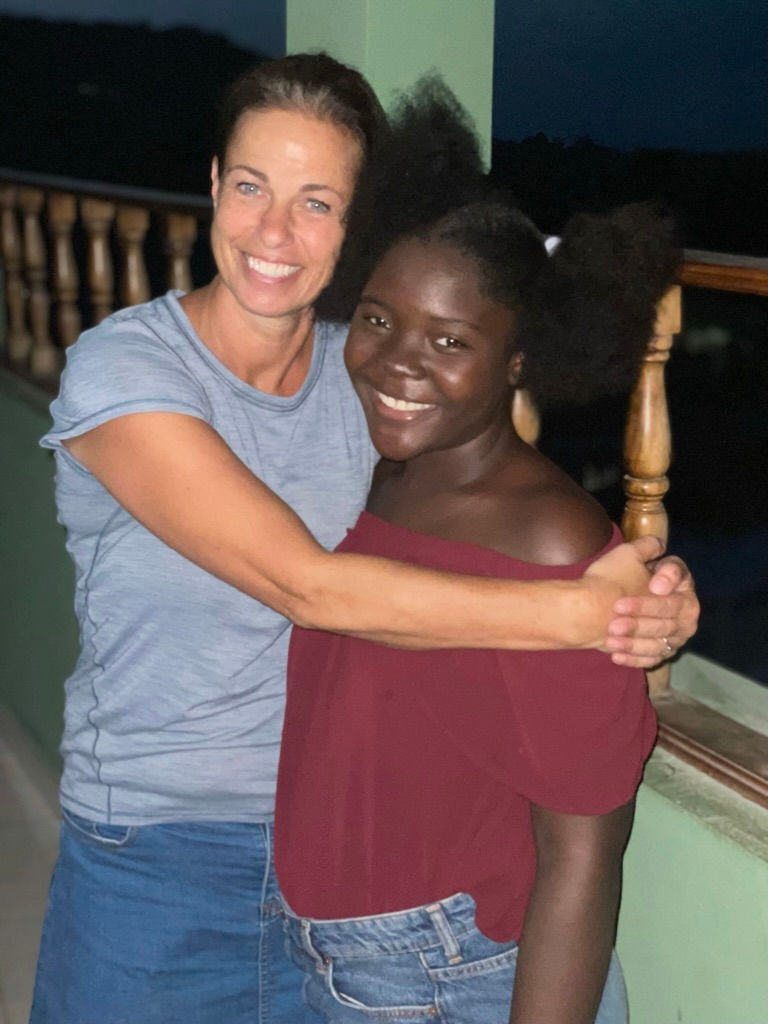
We hear the term “top down” a lot regarding business models where people in positions of authority decide on what their company needs and pass the information/plan down. They assume they already know the answers and negate to ask those doing the actual work. From personal experience working in Haiti, this has proven to be a “sure fail” approach.
What if we changed our mindset and looked at poverty alleviation in the context of “committing to do as much as possible to support and empower people so they can help themselves”? What if we connect with locals who already have a passion and are making things work? I understand as donors, we are “drawn” to specific types of projects but being curious and teachable in the process is such a beautiful way to work together. Sharing passions and visions across borders is wonderful. This is what I imagine the Bible talks about when stressing the importance of a Jesus-centred community, building relationships through respect and learning.
William Easterly, professor of Economics at New York University describes two types of development workers: planners and searchers. Planners try to plan everything from the top without fully knowing the realities on the ground. Searchers situate themselves within a community and see local solutions to problems identified by community members….We want to be searchers.
Often, it’s our rushed North American way of thinking that leads to the detrimental “top down”, no conversation approach. Many first-world donors have a basic need to direct their donations to projects and people as THEY deem appropriate. The way we view poverty and our opinion of it will ultimately define how we think it should be “fixed”. It is the responsibility of the charities and non-profits to educate their donors and even turn funding away if it means causing damage in the community they’re serving alongside.
About 10 years ago I had a call from a donor wanting to give us $10,000 to build a new school. At that time, we were assisting three schools on the island, two of them desperately needed repairs and financial support to pay their teachers. Building a new structure and fitting a project into a community that was already overburdened with private schools didn’t feel right. I knew each of the families who would be affected if I agreed to this ‘donor-led project’. So I went back to the individual, hoping they would see the grace and integrity behind my response. I presented an option that would allow us to help where funds were needed most and supporting the existing schools. Much to my disappointment, the donor was insistent that we build a new school building with their family name painted on the outside. After many prayers, sleepless nights and more than a few tears, I had to say, “No thank you”. I needed to stay true to our calling and respect the needs of the project leaders we were already building relationships with. I couldn’t imagine telling the school directors, “I know you’re struggling, but I’m shifting my allegiance to the donor and their decisions for your community”. Even though we desperately needed that money, God saw, God knew and God provided. It proved to be another one of the MANY lessons that taught me the importance of being transparent with donors, having meaningful, sometimes difficult conversations and not prioritizing funding over the people we serve.

One of the many things I am grateful for is the freedom our donors and supporters give us to operate PiFò Haiti as a “bottom up” organization. Those who have stood by and supported us have given PiFò Haiti the space and time to build relationships with locals and invest in THEIR vision for the future. What a gift not to lose sleep at night wondering how you will find a way to appease a donor who’s adamant about directing their funds to a project you know will cause harm within the community.
I believe there must be a happy medium, a sharing of ideas and opinions. We want to bring together those who have a vested interest in making the best decisions possible, people who see the potential and ask, “what’s the best way we can help”. This experience completely changed how our family donates to organizations. The people serving on the Board of Directors, the voices being heard (or not), and organizations who prioritize respecting local ideas and people, matter.
Continuing to be humbled in Haiti,
Wendy Thiessen
Volunteer Director, PiFò Haiti


Comments